Screen printing is a method of printing images onto fabric using a silk screen. It requires elaborate equipment and time to set up, but is a great choice if you are printing in bulk and want to reuse the screen. It is a less expensive method than heat press printing, which uses a heat press to heat the fabric, but is more time consuming.
This process can be used to print on a variety of products. Its flexibility allows it to be used on difficult-to-print substrates. You can apply the print to fabrics and products, and you can even apply it to irregular-shaped objects, such as pallets. Depending on the product, screen printing may not be the best choice for some products.
 Another method is heat transfer printing, which is ideal for smaller print runs or jobs that require several colors. This process requires special paper, a heating press, and a special printer. Heat transfers can be used to create a variety of colors, but the look won’t be as crisp as screen printing. A specialist at Tacoma Printing can help you decide which process is best for your specific job.
Screen printing requires a separate room for the set up and the printing process itself. A screen printing machine is a large machine, while heat press equipment does not require a lot of room. The heat press is small and can be stored in a closet when not in use. You can also use a kitchen table top to set up your setup.
The process of applying HTV to t-shirts is easier than screen printing. However, the quality of the design will be higher with screen printing. However, it depends on the complexity of the design and the number of colors that will be printed. Ultimately, screen printing is better for the aesthetic appeal of a product. It is also a human-driven process. The ink colors are custom-mixed and applied with care.
Screen printing and heat transfer are both high-quality methods. You can learn more about these techniques in our buyer’s guide. Both methods use pressure and heat to transfer the image to the fabric. Heat transfer printing involves the use of a heat press to apply pressure to a paper. After that, a high-quality paper is placed over the design and pressed into the fabric.
When it comes to printing on fabric, screen printing has a lower cost per shirt, but it is slower than heat pressing. The difference in price is based on your specific project. Heat pressing requires fewer chemicals and equipment, and screen printing requires a higher quality image. However, both methods have their advantages and disadvantages.


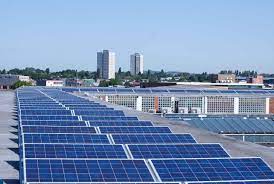 One of the biggest benefits of commercial solar power is that it improves customer engagement. The increasing trend among consumers to support eco-friendly and socially responsible companies means that a commercial solar array on a rooftop will demonstrate your concern for the environment. Additionally, solar energy systems are also good for the company’s reputation, which will help it attract more clients and business partners who are concerned about the environment. In addition to this, a solar energy system is beneficial for the business’s bottom line.
 If you own a business, you should consider using